Care guides
Husbandry care sheets
How long they live, how big they get, what enclosure they need, what temperature and humidity keeps them healthy, and exactly what they eat. Free for everyone — no account needed.
Snakes
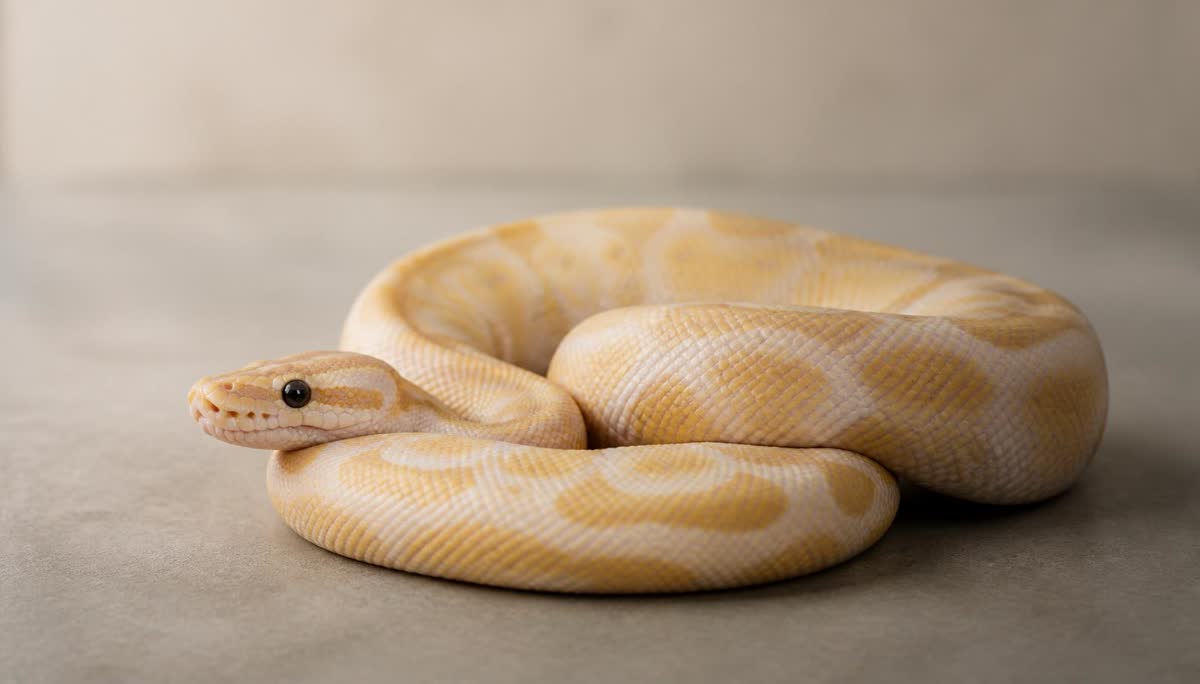
Ball Python
Python regius
The most popular pet snake in the world and the backbone of the morph hobby. Docile, slow-moving and long-lived, but sensitive to low humidity and open, exposed enclosures.
Lifespan: 20–30 years in captivity, with 40+ recorded
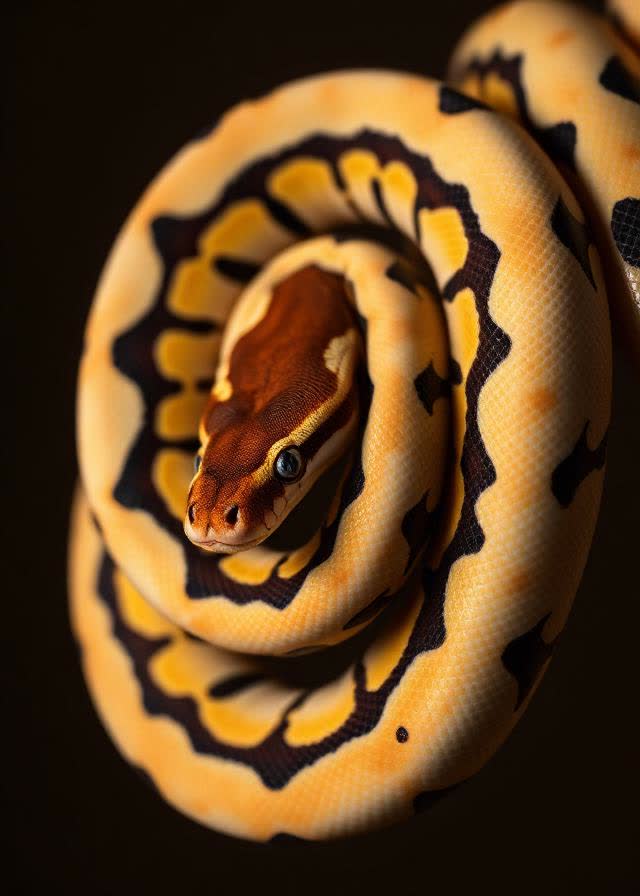
Corn Snake
Pantherophis guttatus
The classic first snake: hardy, reliable feeders, tolerant of a broad range of conditions, and available in hundreds of morphs.
Lifespan: 15–20 years
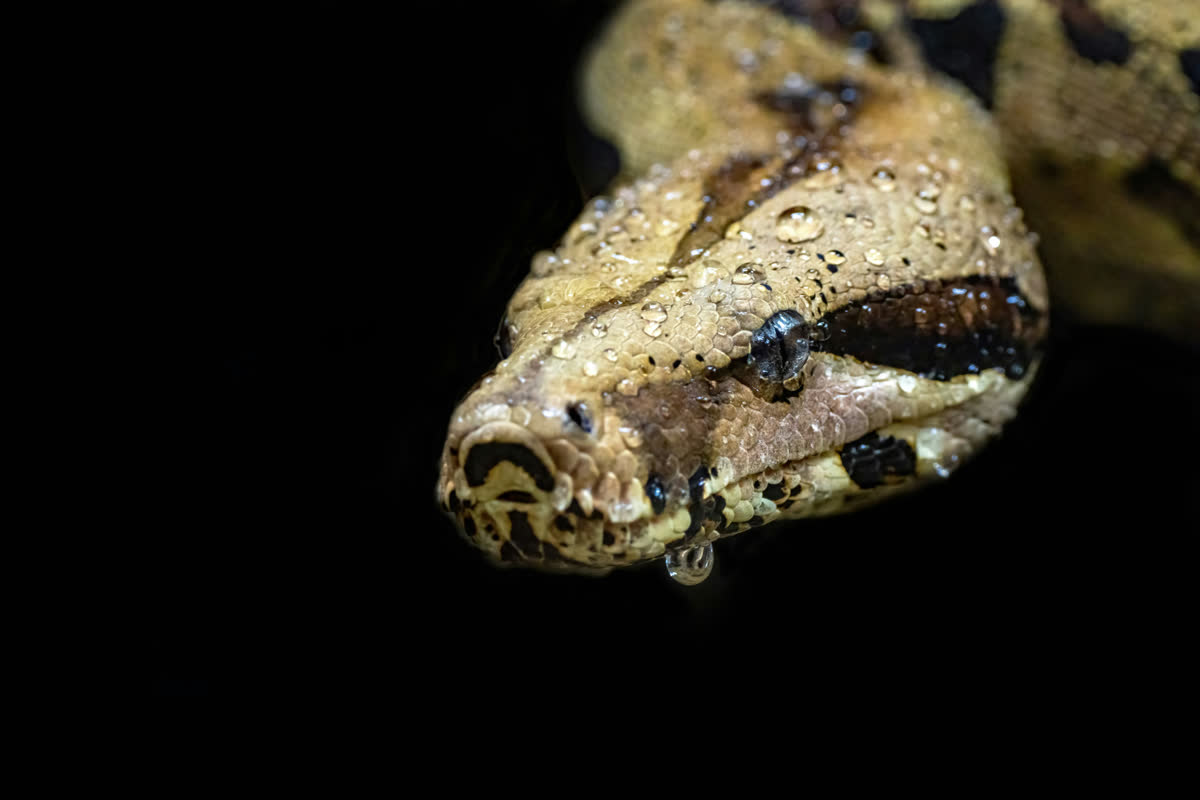
Boa Constrictor
Boa constrictor imperator
A large, powerful, generally even-tempered constrictor. A long-term commitment in both space and lifespan.
Lifespan: 25–30 years
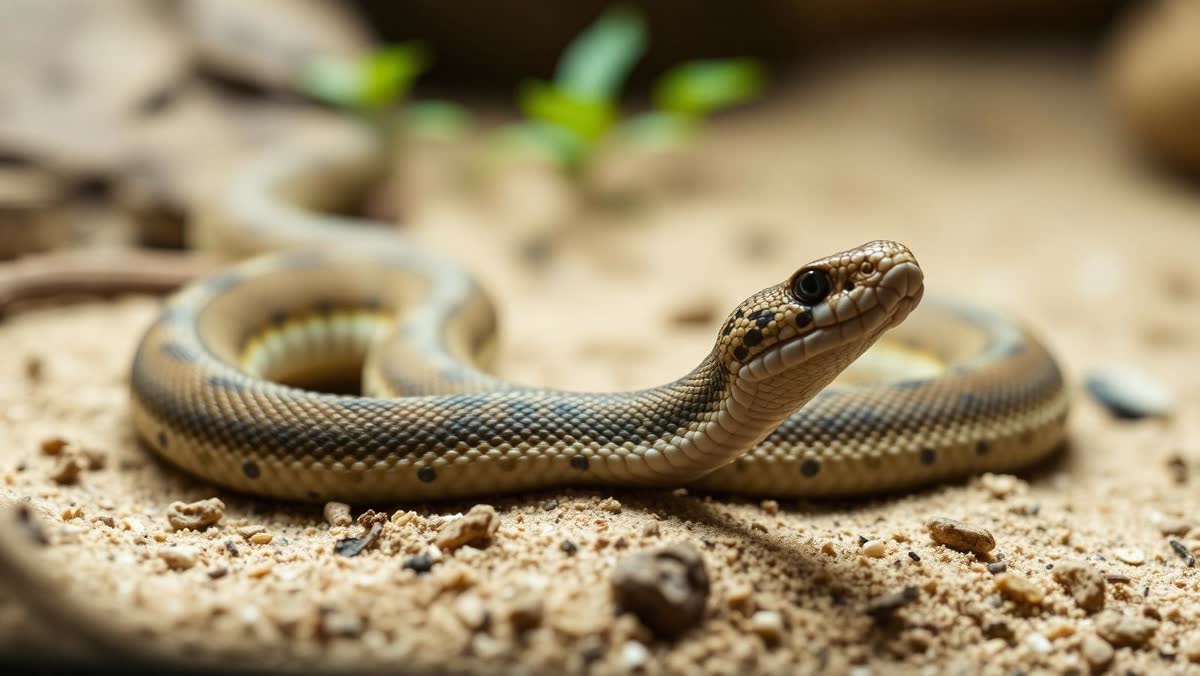
Western Hognose Snake
Heterodon nasicus
A small, charismatic, upturned-nosed digger famous for its dramatic bluffing display. Rear-fanged but medically insignificant to most people.
Lifespan: 15–20 years
Lizards
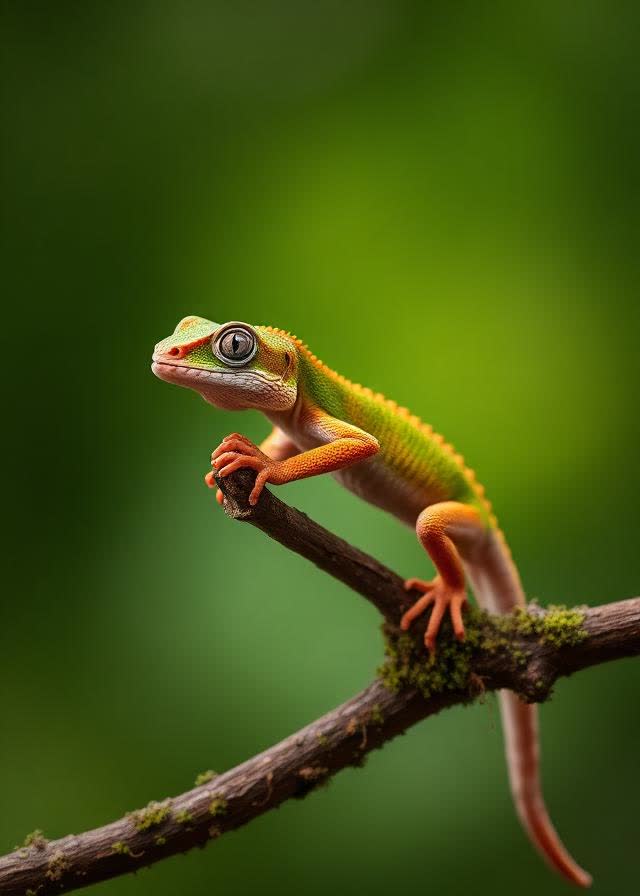
Leopard Gecko
Eublepharis macularius
A ground-dwelling, crepuscular gecko with eyelids, a friendly disposition and a huge morph catalogue. One of the best starter lizards available.
Lifespan: 15–20 years
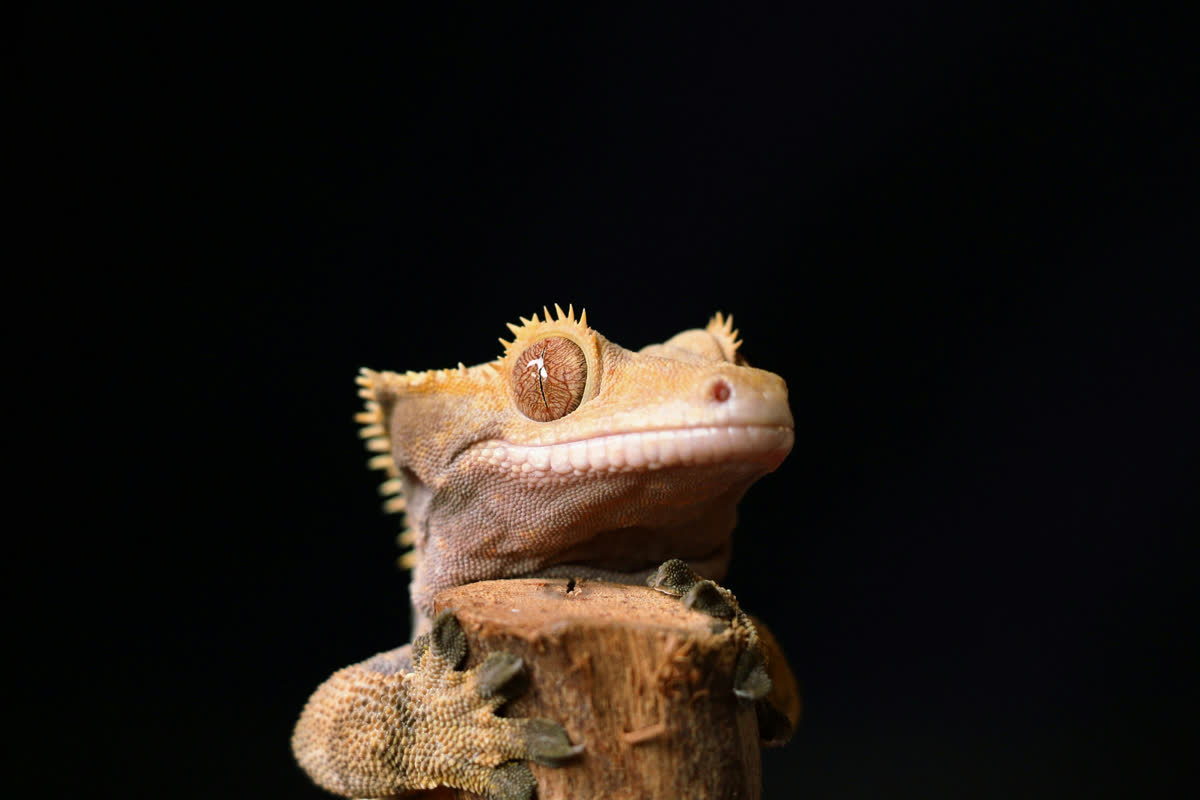
Crested Gecko
Correlophus ciliatus
An arboreal New Caledonian gecko that thrives at room temperature and can live on a complete powdered diet — the lowest-maintenance display lizard in the hobby.
Lifespan: 15–20 years
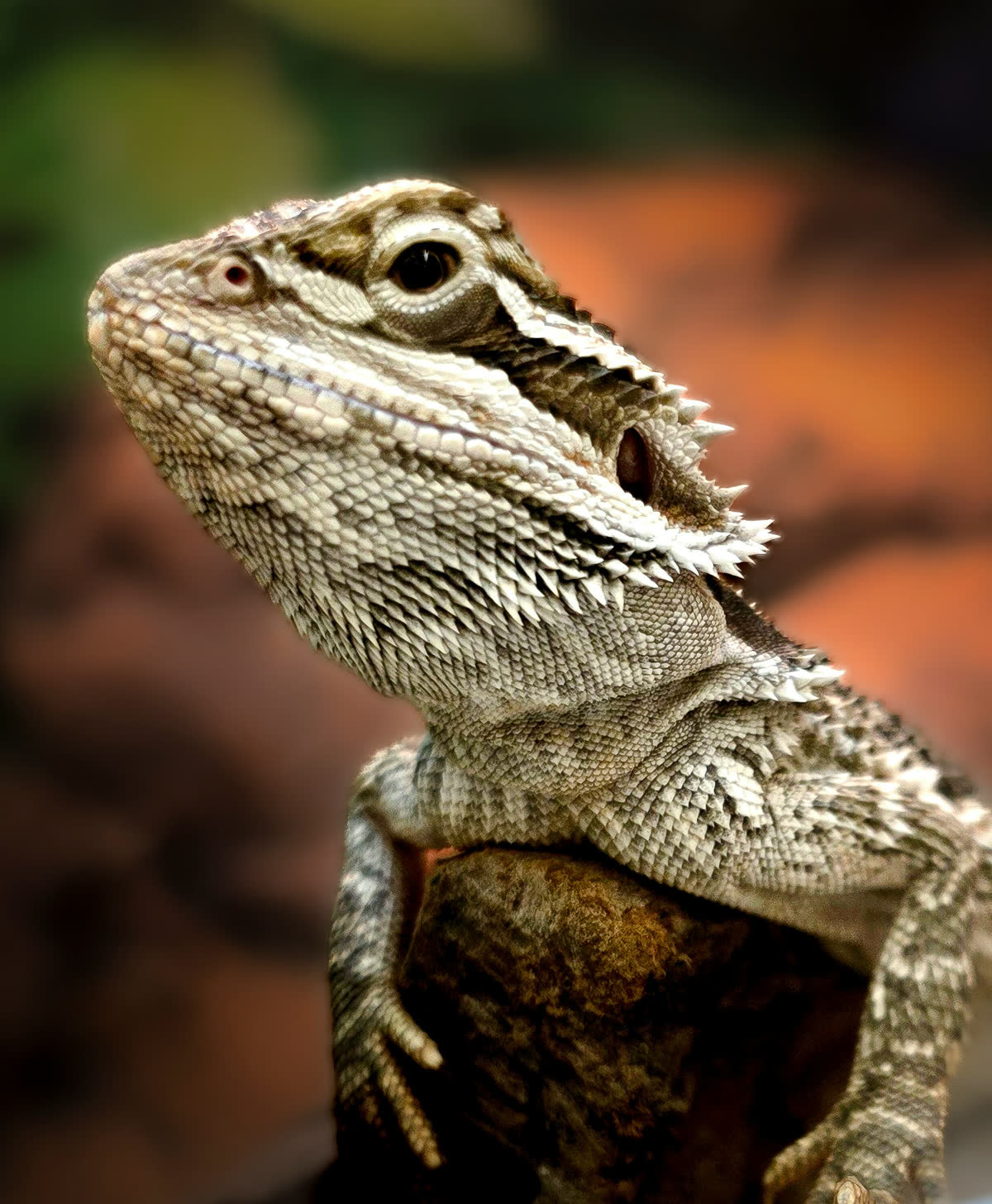
Central Bearded Dragon
Pogona vitticeps
A confident, interactive desert omnivore. Easy to tame but genuinely demanding in lighting and space — the most commonly under-housed reptile in the hobby.
Lifespan: 10–15 years
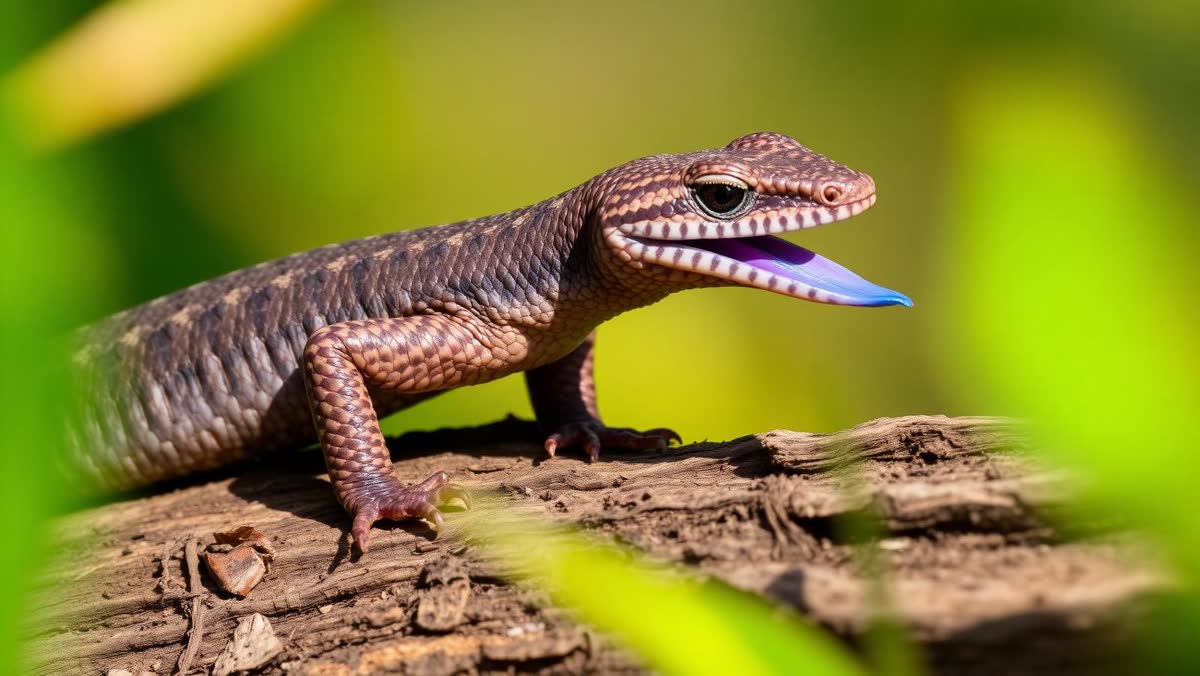
Blue-Tongue Skink
Tiliqua spp.
A robust, dog-tame omnivorous skink with real personality. Ground-dwelling, food-motivated and highly rewarding to keep.
Lifespan: 15–20 years
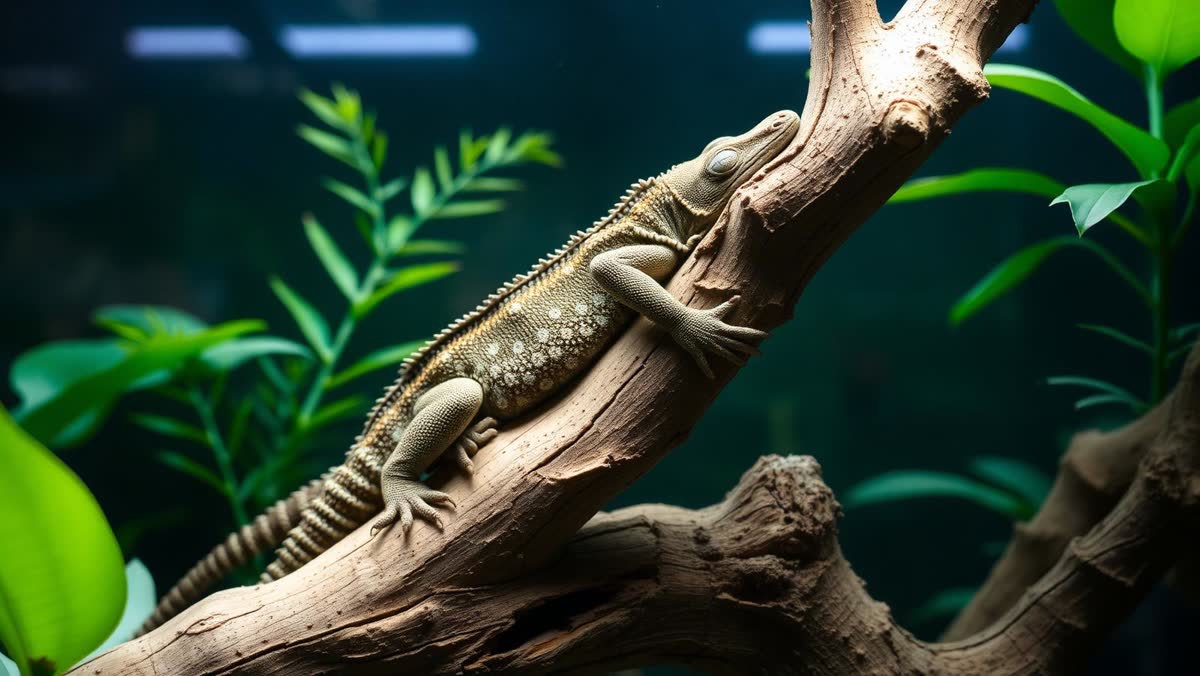
Leachianus Gecko
Rhacodactylus leachianus
The largest living gecko: a heavy-bodied, vocal, locality-driven arboreal species and a serious collector animal.
Lifespan: 20+ years
Turtles & Tortoises
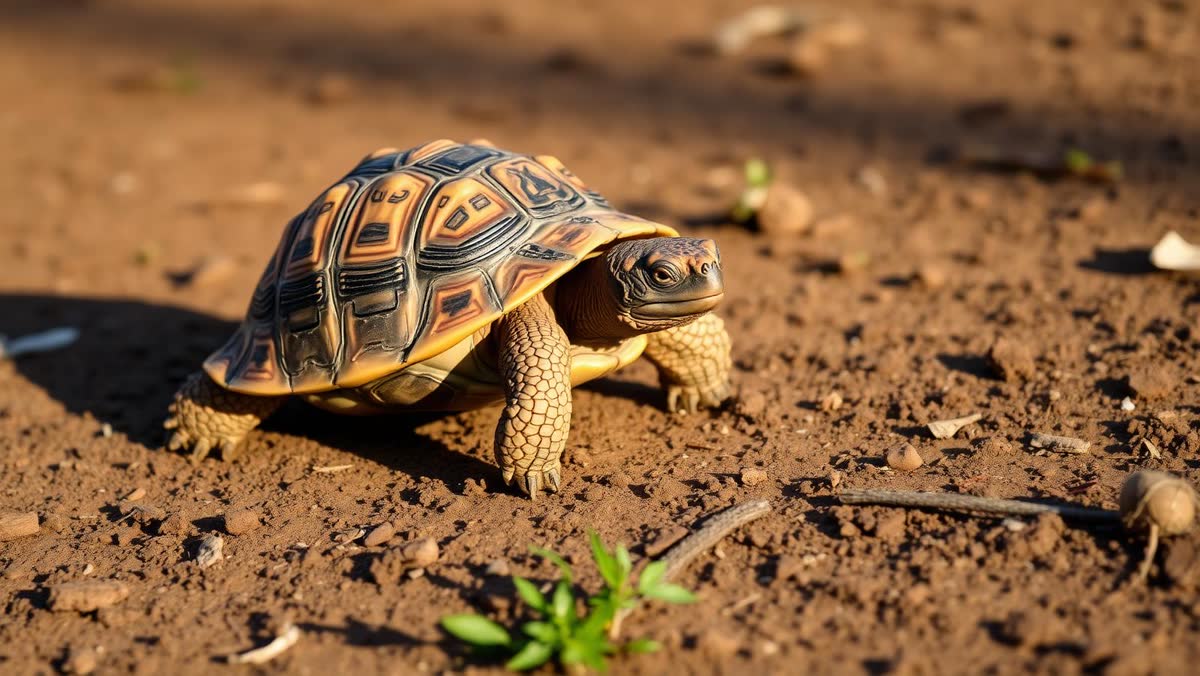
Russian Tortoise
Testudo horsfieldii
A small, hardy, energetic grazing tortoise that stays a manageable size — but is a multi-decade commitment that needs far more floor space than a glass tank offers.
Lifespan: 40–50+ years
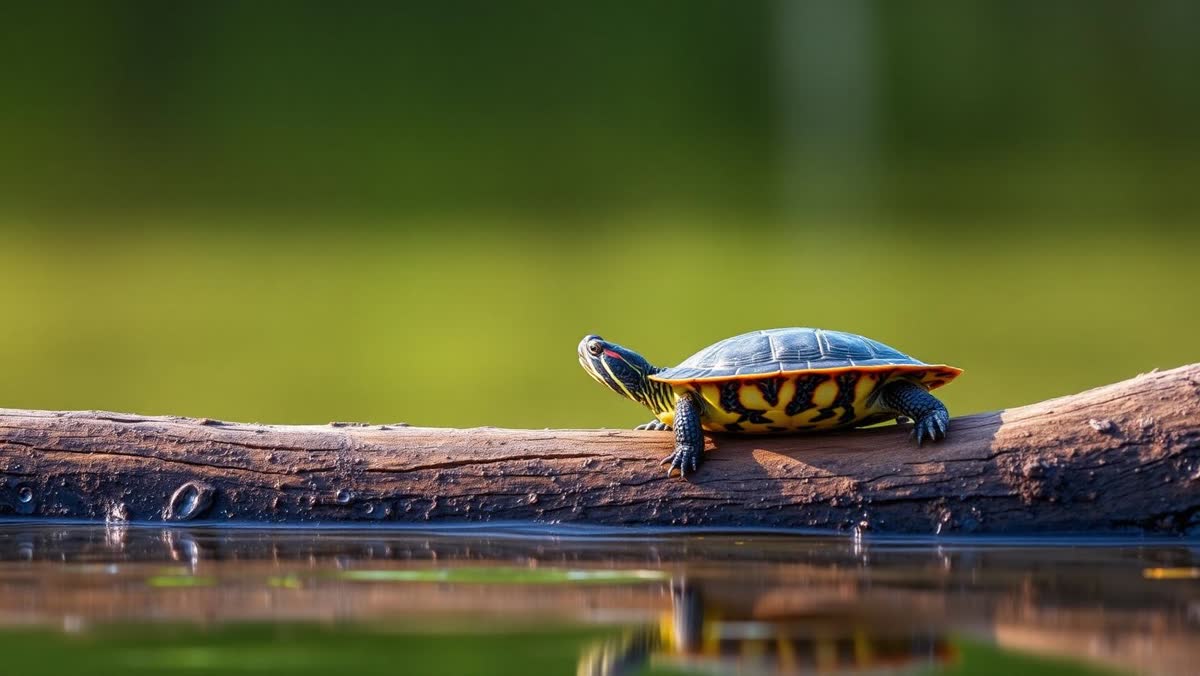
Red-Eared Slider
Trachemys scripta elegans
A large, messy, long-lived aquatic turtle. Cheap to buy and expensive to house properly — filtration is the entire hobby with this species.
Lifespan: 30–40 years
Amphibians
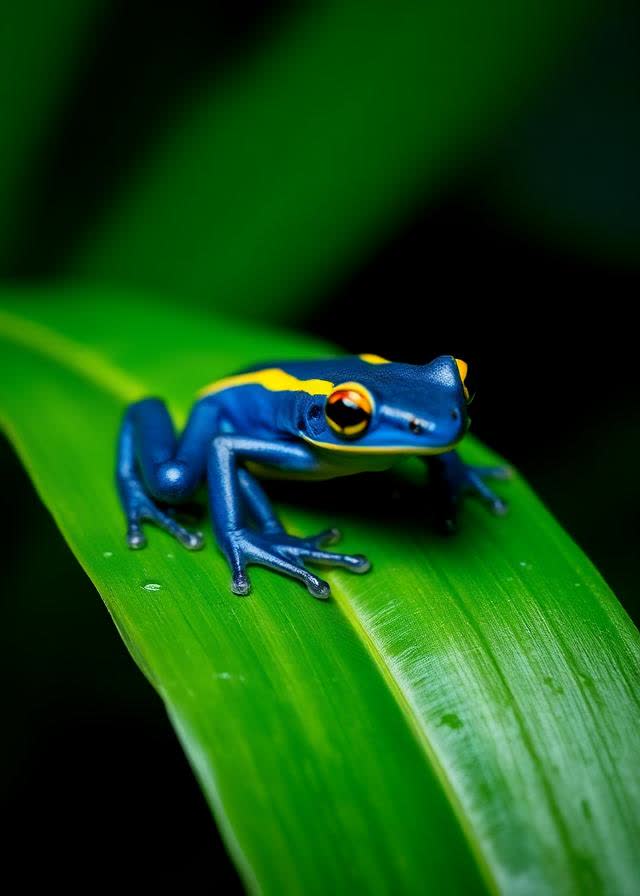
Pacman Frog
Ceratophrys spp.
A round, sedentary ambush predator that spends most of its life buried. Simple to keep, dramatic to feed, and not a handling animal.
Lifespan: 7–10 years
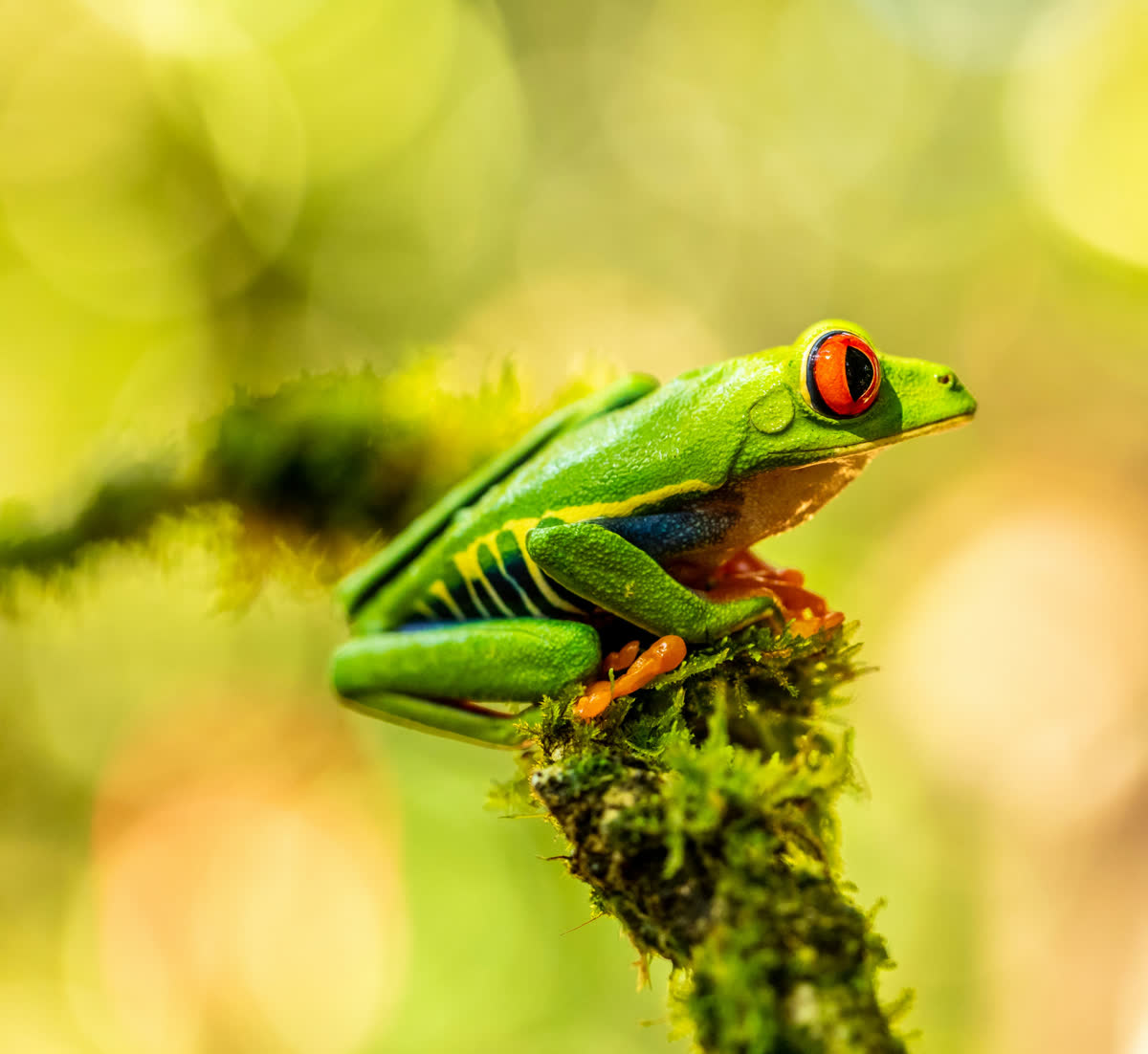
White's Tree Frog
Litoria caerulea
A placid, chunky arboreal frog with an almost cartoonish expression, and one of the very few amphibians that tolerates brief handling.
Lifespan: 15–20 years
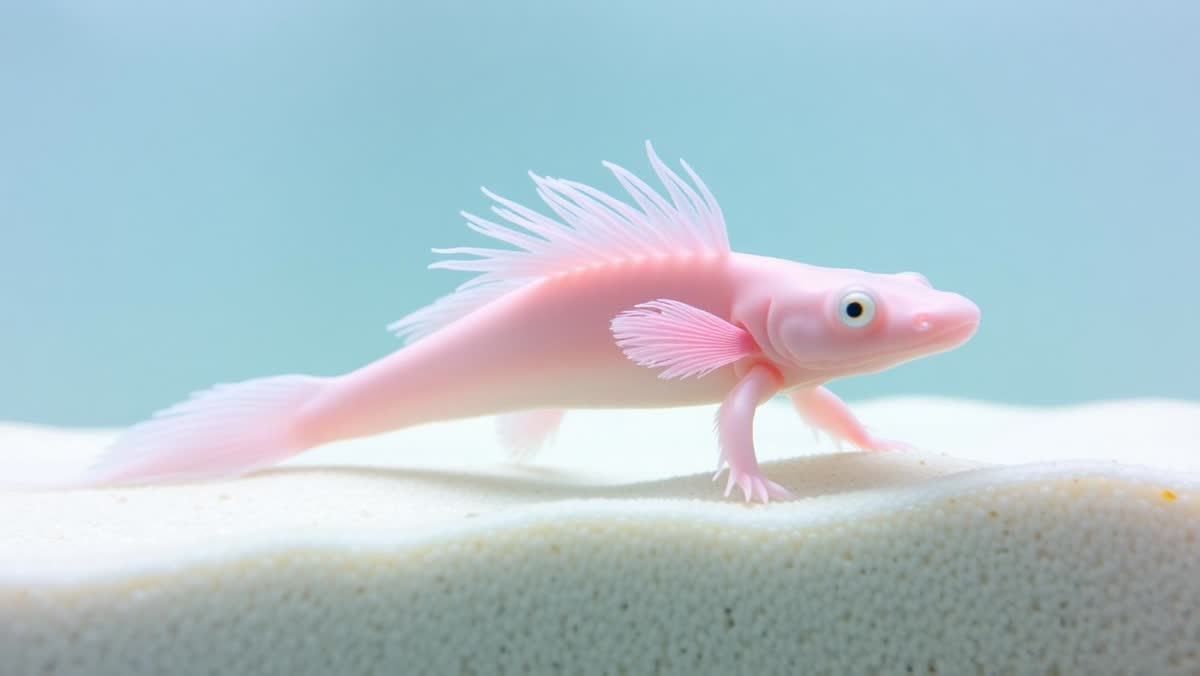
Axolotl
Ambystoma mexicanum
A permanently aquatic, neotenic salamander. Beautiful and interactive, but strictly a cold-water animal — heat is the number one killer.
Lifespan: 10–15 years
Invertebrates
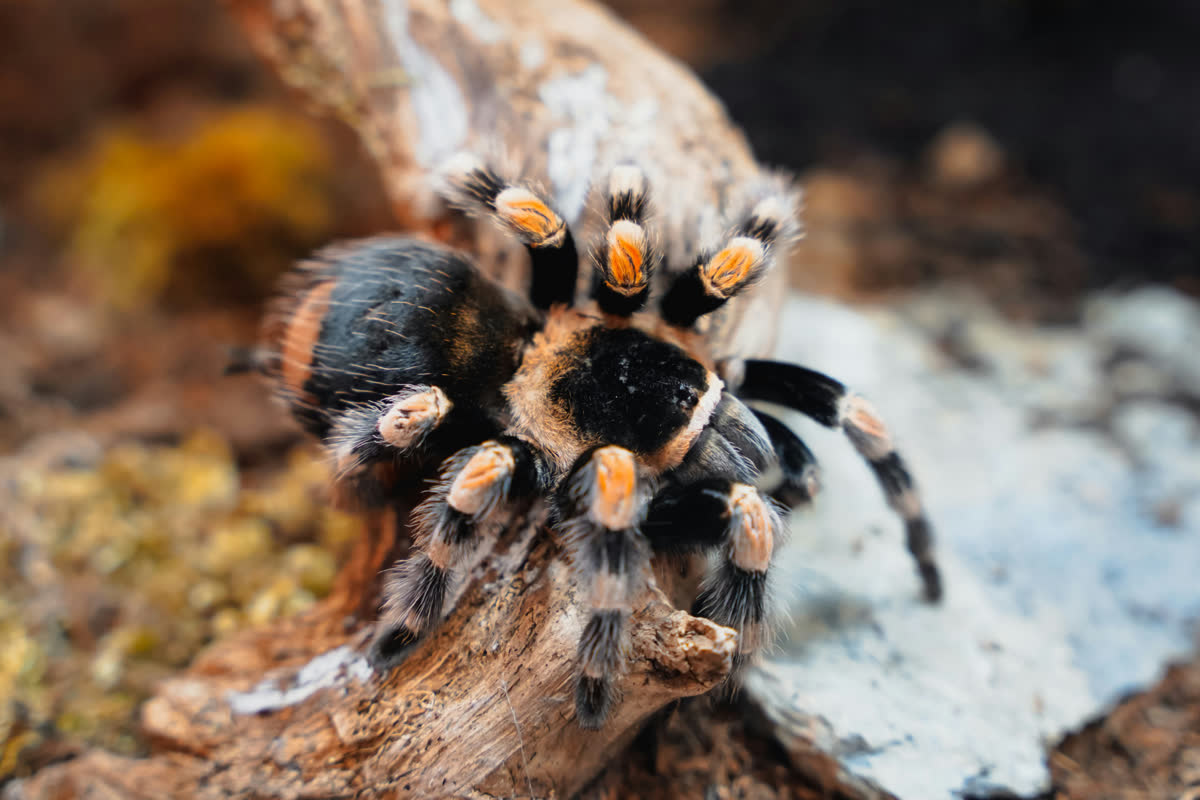
Tarantula (New World terrestrial)
Grammostola / Brachypelma spp.
Low-maintenance, long-lived display invertebrates. New World terrestrials like the Chilean rose and Mexican red knee are the standard entry point.
Lifespan: Females 20–30 years, males 5–10 years
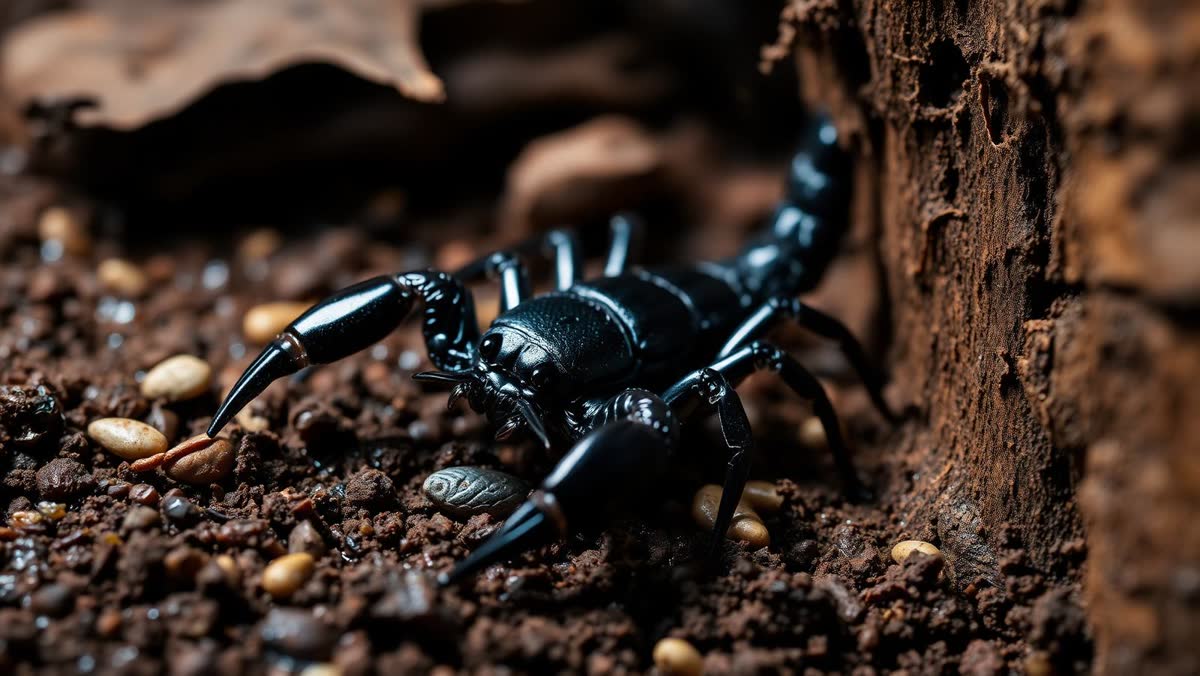
Emperor Scorpion
Pandinus imperator
A large, glossy, communal-tolerant scorpion with mild venom and a striking appearance under blacklight.
Lifespan: 6–8 years
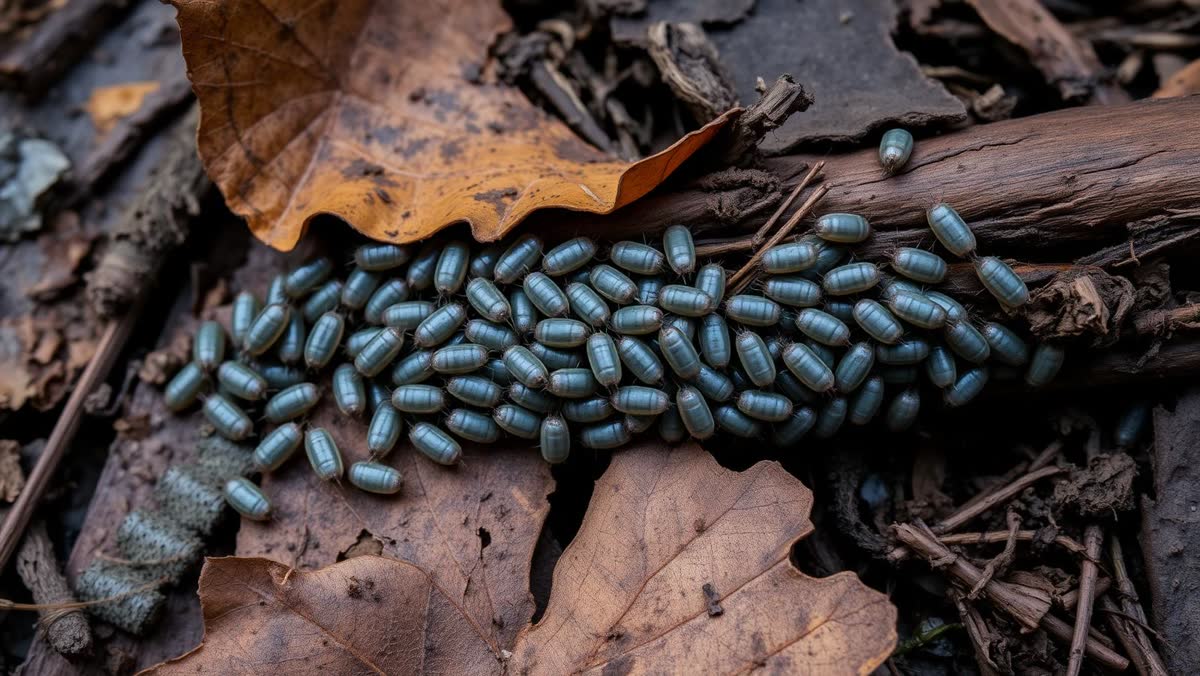
Isopods
Porcellio / Cubaris / Armadillidium spp.
Terrestrial crustaceans kept both as a hobby in their own right and as the cleanup crew of every bioactive enclosure.
Lifespan: 1.5–3 years