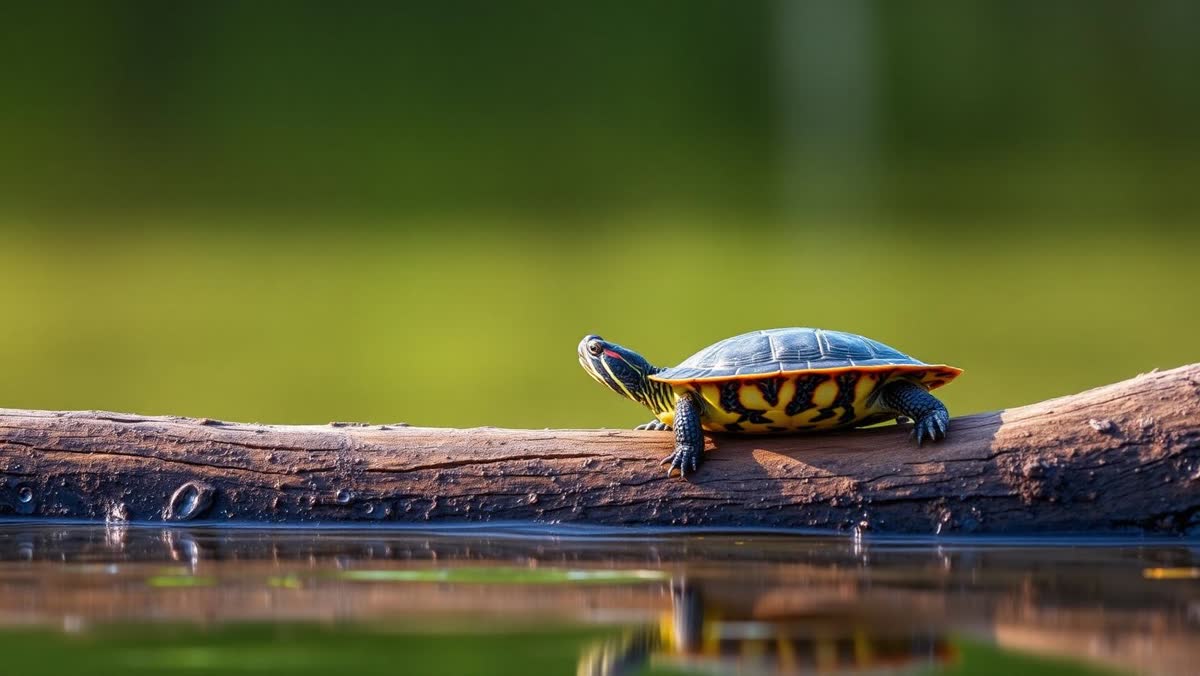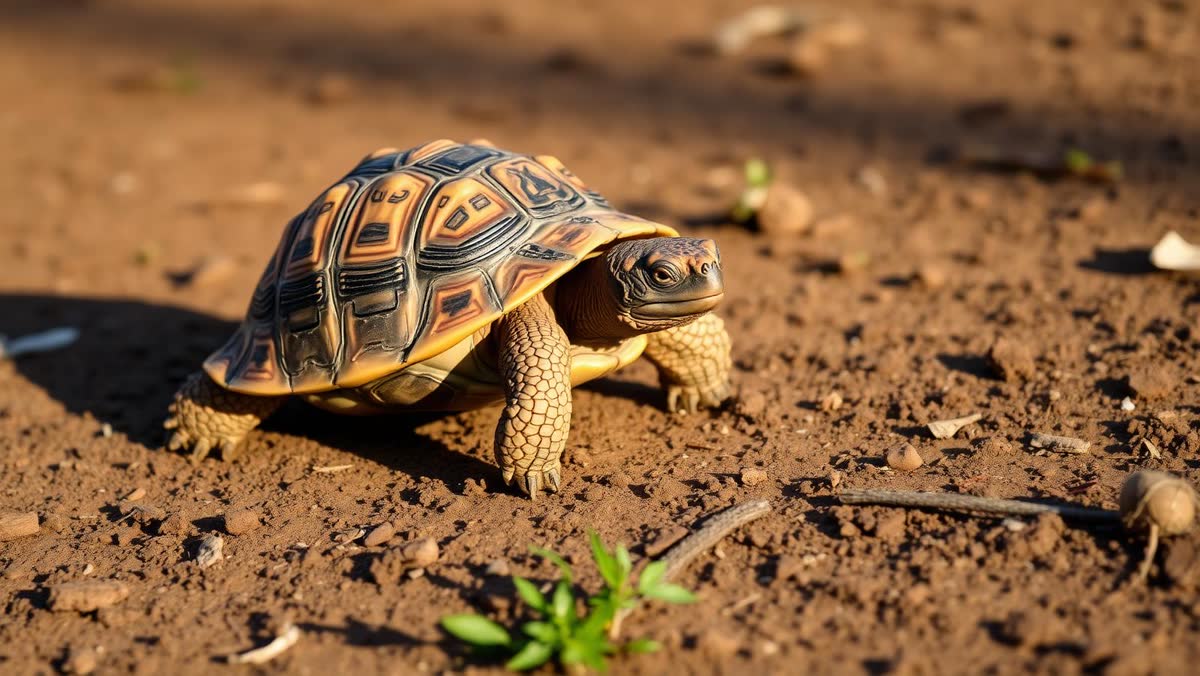
Russian Tortoise care guide
Testudo horsfieldii
A small, hardy, energetic grazing tortoise that stays a manageable size — but is a multi-decade commitment that needs far more floor space than a glass tank offers.
Quick reference
Temperature
Basking 95–100°F, ambient 75–85°F, night 65–75°F
Humidity
40–50% with a humid hide
Lighting
Linear T5 UVB (10–12%) or natural unfiltered sunlight
Enclosure size
Indoor: 4x8 ft open-topped tortoise table minimum. Secure outdoor pen whenever weather allows
Lifespan
40–50+ years
Adult size
6–10 in shell length
Substrate
Topsoil/coco coir mix deep enough to dig, 4–6 in
Water
Shallow dish plus a 15-minute soak 1–2x weekly
Setup checklist
Everything that should be running and stable before the animal comes home. Print this and tick it off.
- Adult-sized enclosure: Indoor: 4x8 ft open-topped tortoise table minimum. Secure outdoor pen whenever weather allows
- Heat source on a thermostat — never plugged straight into the wall (Basking 95–100°F, ambient 75–85°F, night 65–75°F)
- Digital probe thermometer for the warm side and a second for the cool side
- Digital hygrometer
- Lighting: Linear T5 UVB (10–12%) or natural unfiltered sunlight
- Substrate: Topsoil/coco coir mix deep enough to dig, 4–6 in
- At least two hides — one warm, one cool
- Water bowl, heavy enough not to tip
- Clutter: cork bark, branches, plants and leaf litter for cover
- Reptile-safe disinfectant and paper towel for spot cleaning
Supplies & shopping list
Enclosure
- •Indoor: 4x8 ft open-topped tortoise table minimum. Secure outdoor pen whenever weather allows
- •Secure lock or clips
- •Background or opaque sides for security
Heating
- •Basking 95–100°F, ambient 75–85°F, night 65–75°F
- •Thermostat (dimming or pulse-proportional)
- •Digital probe thermometers
- •Infrared temp gun for surface readings
Lighting
- •Linear T5 UVB (10–12%) or natural unfiltered sunlight
- •Timer for a consistent 12/12 photoperiod
Substrate
- •Topsoil/coco coir mix deep enough to dig, 4–6 in
- •Spare bag for full changes
Decor
- •Two hides
- •Cork bark, branches or climbing structure
- •Leaf litter and plants for cover
- •Water bowl
Food & tools
- •Weeds and leafy greens: dandelion, plantain, endive, clover, mallow. No fruit, no grains, no dog food
- •Daily grazing, with a cuttlebone always available
- •Feeding tongs
- •Hygrometer
- •Reptile-safe disinfectant
Diet & feeding
What they eat
Weeds and leafy greens: dandelion, plantain, endive, clover, mallow. No fruit, no grains, no dog food
How often
Daily grazing, with a cuttlebone always available
Water
Shallow dish plus a 15-minute soak 1–2x weekly
Handling
Minimal — tortoises tolerate rather than enjoy handling
Beginner mistakes to avoid
- •Housing a hatchling in a tank it will outgrow within two years
- •Running no UVB, or UVB filtered through glass or plastic — both block it
- •Feeding a protein- or fruit-heavy diet that causes shell pyramiding or kidney damage
- •Neglecting water quality and filtration for aquatic species
Common problems to watch for
- •Pyramiding from low humidity and protein-heavy diets
- •Respiratory infection
- •Escapes by digging
When to see a vet
Any of these warrant an appointment with an experienced exotics veterinarian, not a wait-and-see.
- •Soft, pitted or foul-smelling shell — shell rot
- •Swollen or closed eyes, nasal bubbling, or wheezing
- •Listing to one side while swimming, or floating unevenly
- •Beak overgrowth, pyramiding or a mouth that will not close
- •Refusing food for over a week with lethargy
Myths vs facts
They stay small if kept in a small tank.
Fact: Stunting is a welfare failure, not a size control. Adults need the space they need.
A basking lamp through glass gives them UVB.
Fact: Glass and most plastics block UVB entirely. The lamp must shine directly on the animal.
Fruit and lettuce make a good staple diet.
Fact: Most species need high-fibre weeds and greens; sugary fruit disrupts gut flora.
Keeper tips
- •Bury the pen border 8–12 in deep; Russians are dedicated diggers
These guides describe widely accepted husbandry practice and are not veterinary advice. Consult an experienced exotics veterinarian for health concerns.