Axolotl care guide
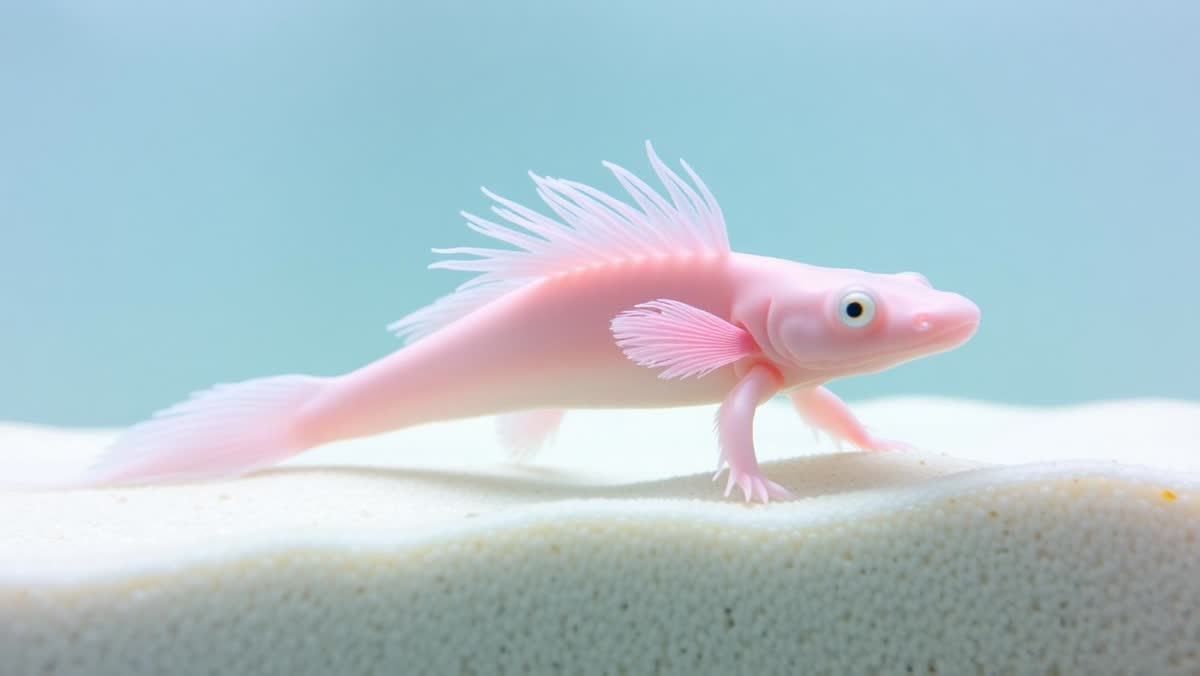
Ambystoma mexicanum
A permanently aquatic, neotenic salamander. Beautiful and interactive, but strictly a cold-water animal — heat is the number one killer.
Quick reference
Temperature
Water 60–68°F. Above 74°F causes stress, illness and death
Humidity
N/A (fully aquatic)
Lighting
Dim; axolotls dislike bright light. No UVB needed
Enclosure size
20-gallon long minimum for one adult, 10 extra gallons per additional animal
Lifespan
10–15 years
Adult size
9–12 in
Substrate
Bare bottom or fine sand only — gravel causes fatal impaction
Water
Dechlorinated, gently filtered, weekly 20% changes; ammonia and nitrite at 0 ppm
Setup checklist
Everything that should be running and stable before the animal comes home. Print this and tick it off.
- Tank sized for an adult: 20-gallon long minimum for one adult, 10 extra gallons per additional animal
- Cycled filter rated above the tank volume, with gentle flow
- Accurate thermometer — and a chiller or fan if the room runs warm
- Liquid test kit for ammonia, nitrite, nitrate and pH
- Water conditioner / dechlorinator
- Hides and low plants for shade and security
- Fine sand or a bare bottom — never gravel
- Siphon and buckets kept only for animal use
Supplies & shopping list
Tank
- •20-gallon long minimum for one adult, 10 extra gallons per additional animal
- •Secure lid or screen top
- •Stand rated for the filled weight
Filtration & water
- •Canister or sponge filter
- •Water conditioner
- •Liquid test kit
- •Siphon and buckets
Temperature
- •Water 60–68°F. Above 74°F causes stress, illness and death
- •Fan or aquarium chiller for summer
Lighting
- •Dim; axolotls dislike bright light. No UVB needed
Substrate & decor
- •Bare bottom or fine sand only — gravel causes fatal impaction
- •Caves, driftwood and shade plants
Food & tools
- •Earthworms as a staple, plus sinking axolotl pellets; bloodworms for juveniles
- •Feeding tongs
- •Food storage container
Diet & feeding
What they eat
Earthworms as a staple, plus sinking axolotl pellets; bloodworms for juveniles
How often
Juveniles daily, adults every 2–3 days
Water
Dechlorinated, gently filtered, weekly 20% changes; ammonia and nitrite at 0 ppm
Handling
Never handle out of water except with a soft net during maintenance
Beginner mistakes to avoid
- •Adding the animal to an uncycled tank
- •Using gravel, which causes fatal impaction
- •Letting the water climb above 74°F in summer
- •Housing juveniles together and losing gills and limbs to nipping
Common problems to watch for
- •Heat stress
- •Gravel impaction
- •Ammonia burns in an uncycled tank
- •Nipped gills from tankmates
When to see a vet
Any of these warrant an appointment with an experienced exotics veterinarian, not a wait-and-see.
- •Curled or forward-facing gills, or a tail tip that curls upward — stress, usually heat or ammonia
- •Fuzzy white growths on the gills or skin — fungal infection
- •Floating uncontrollably or refusing food for over a week
- •Reddened, ammonia-burned skin in an uncycled tank
Myths vs facts
Amphibians are good handling pets.
Fact: Their skin absorbs everything it touches. Handling should be rare, brief and with clean, wet hands.
Tap water is fine if it sits out overnight.
Fact: Chloramine does not gas off. Always use a dechlorinator.
A fat frog is a healthy frog.
Fact: Obesity shortens amphibian lifespans dramatically. Feed to condition, not to appetite.
Keeper tips
- •Cycle the tank before the animal arrives, and keep a fan or chiller ready for summer
These guides describe widely accepted husbandry practice and are not veterinary advice. Consult an experienced exotics veterinarian for health concerns.