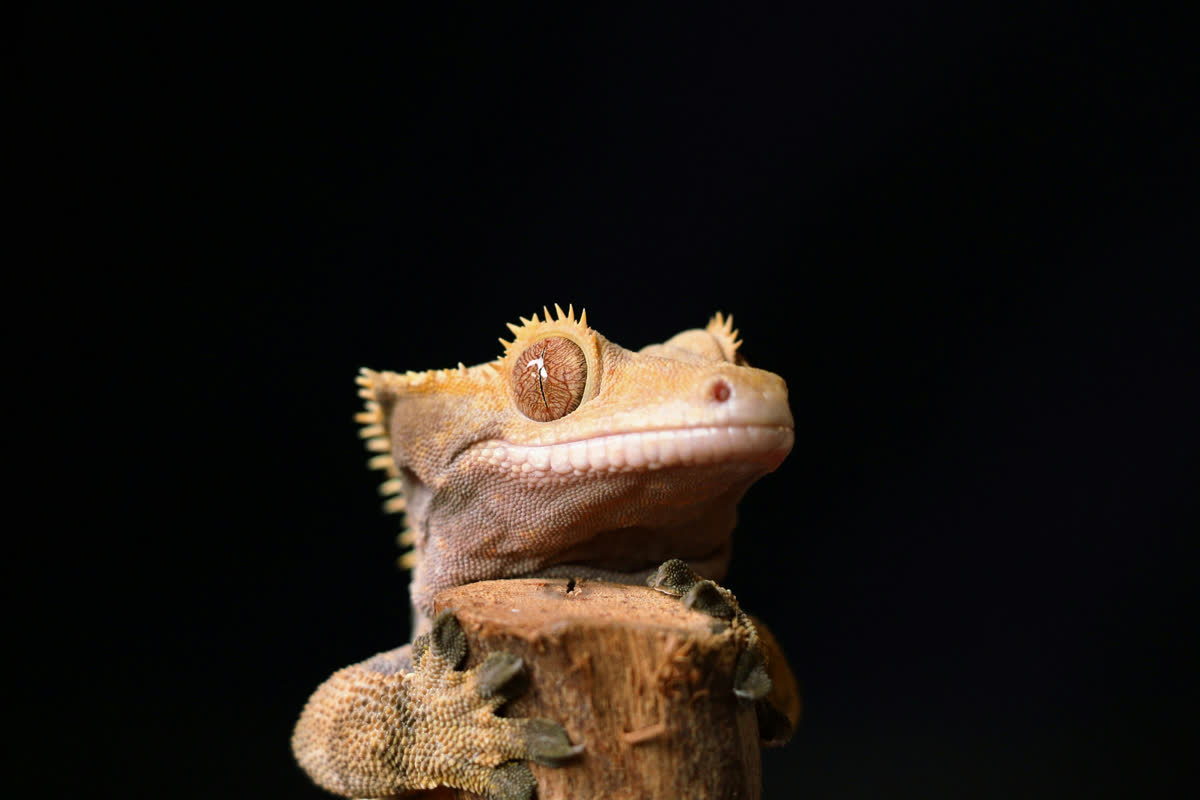
Crested Gecko care guide
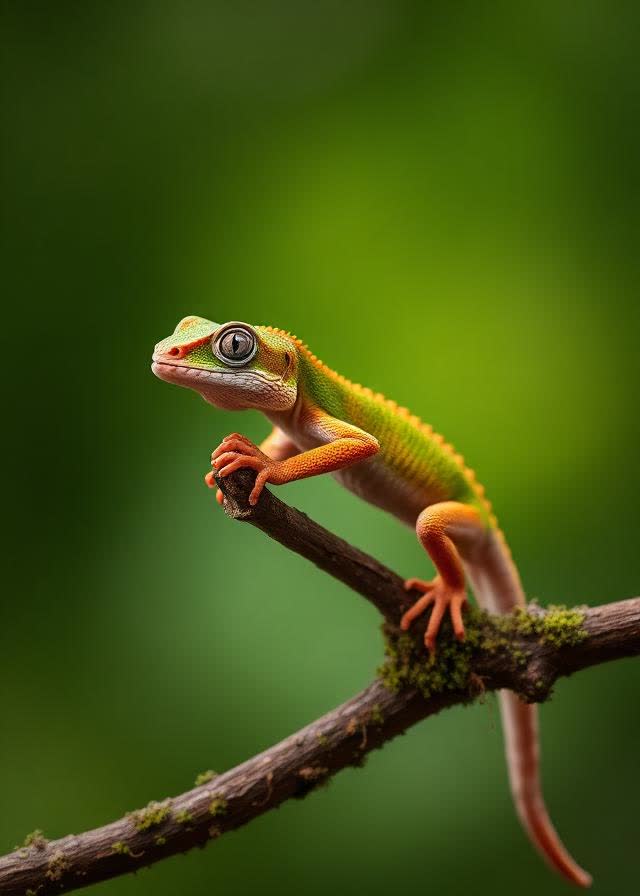
Correlophus ciliatus
An arboreal New Caledonian gecko that thrives at room temperature and can live on a complete powdered diet — the lowest-maintenance display lizard in the hobby.
Quick reference
Temperature
72–78°F daytime; above 82°F for long periods is dangerous
Humidity
60–80% at night, drying to ~50% during the day
Lighting
2–5% UVB recommended; 12-hour cycle
Enclosure size
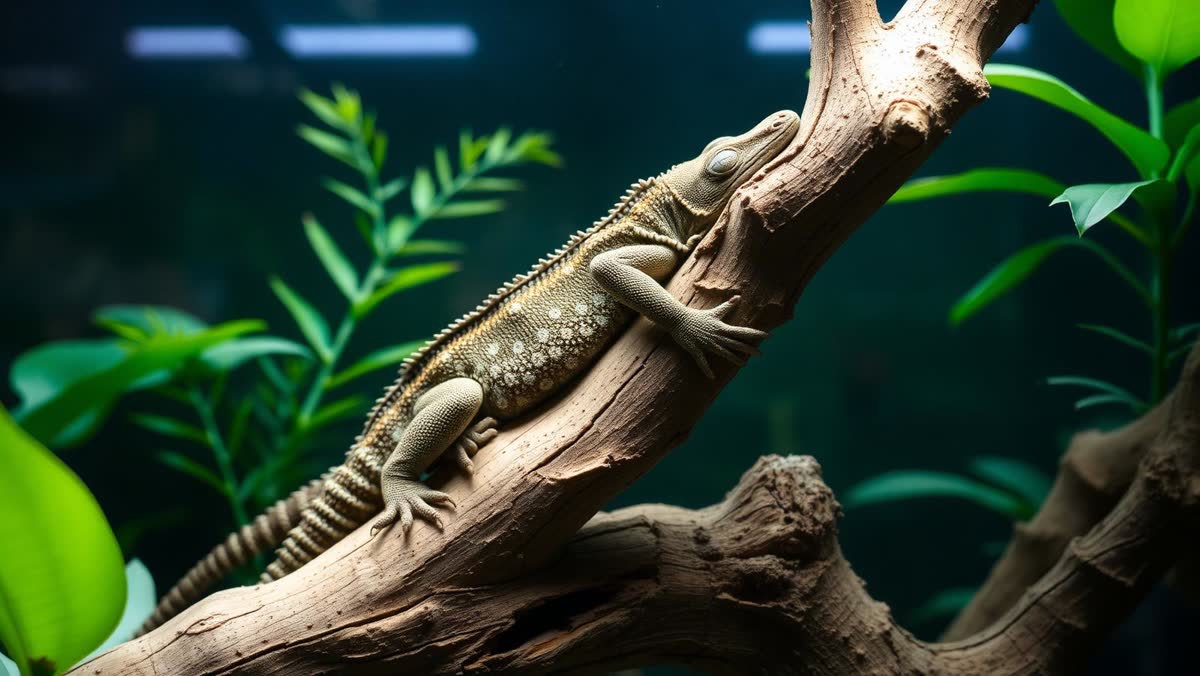
Adults: 18x18x24 in vertical, heavily planted with cork and vines
Lifespan
15–20 years
Adult size
7–9 in including tail
Substrate
Coconut soil or bioactive with leaf litter
Water
Bowl plus nightly misting — many drink from droplets
Setup checklist
Everything that should be running and stable before the animal comes home. Print this and tick it off.
- Adult-sized enclosure: Adults: 18x18x24 in vertical, heavily planted with cork and vines
- Heat source on a thermostat — never plugged straight into the wall (72–78°F daytime; above 82°F for long periods is dangerous)
- Digital probe thermometer for the warm side and a second for the cool side
- Digital hygrometer
- Lighting: 2–5% UVB recommended; 12-hour cycle
- Substrate: Coconut soil or bioactive with leaf litter
- At least two hides — one warm, one cool
- Water bowl, heavy enough not to tip
- Clutter: cork bark, branches, plants and leaf litter for cover
- Reptile-safe disinfectant and paper towel for spot cleaning
Supplies & shopping list
Enclosure
- •Adults: 18x18x24 in vertical, heavily planted with cork and vines
- •Secure lock or clips
- •Background or opaque sides for security
Heating
- •72–78°F daytime; above 82°F for long periods is dangerous
- •Thermostat (dimming or pulse-proportional)
- •Digital probe thermometers
- •Infrared temp gun for surface readings
Lighting
- •2–5% UVB recommended; 12-hour cycle
- •Timer for a consistent 12/12 photoperiod
Substrate
- •Coconut soil or bioactive with leaf litter
- •Spare bag for full changes
Decor
- •Two hides
- •Cork bark, branches or climbing structure
- •Leaf litter and plants for cover
- •Water bowl
Food & tools
- •Complete crested gecko diet (CGD) powder, plus feeder insects 1–2x weekly
- •Fresh CGD every other day; insects weekly for enrichment and protein
- •Feeding tongs
- •Hygrometer
- •Reptile-safe disinfectant
Diet & feeding
What they eat
Complete crested gecko diet (CGD) powder, plus feeder insects 1–2x weekly
How often
Fresh CGD every other day; insects weekly for enrichment and protein
Water
Bowl plus nightly misting — many drink from droplets
Handling
Short, low sessions; they jump. Dropped tails do not regrow
Beginner mistakes to avoid
- •Letting the room exceed 82°F for extended periods
- •Keeping the enclosure permanently wet instead of letting it dry between mistings
- •Feeding insects only, with no complete crested gecko diet
- •Long handling sessions that end with a dropped tail
Common problems to watch for
- •Overheating
- •Floppy tail syndrome from calcium deficiency
- •Chronically wet, mouldy enclosures
When to see a vet
Any of these warrant an appointment with an experienced exotics veterinarian, not a wait-and-see.
- •Soft or rubbery jaw, tremors, twitching or dragging back legs — metabolic bone disease
- •Not passing stool for over a week with a loss of appetite — possible impaction
- •Swollen limbs or joints, or a jaw that no longer closes
- •Discharge from the eyes, nose or mouth; laboured breathing
- •Sudden weight loss, sunken eyes or a persistently dark stress colour
Myths vs facts
UVB is optional if you feed supplements.
Fact: Most diurnal lizards need UVB to synthesise D3. Supplements alone rarely prevent metabolic bone disease.
A bulb that still lights up is still producing UVB.
Fact: UV output decays long before the bulb fails. Replace on schedule, typically every 12 months.
Loose substrate always causes impaction.
Fact: Impaction is usually driven by low temperatures, dehydration or poor diet — not by substrate on its own.
Keeper tips
- •Let the enclosure dry out between mistings — constant wetness causes more problems than dryness
These guides describe widely accepted husbandry practice and are not veterinary advice. Consult an experienced exotics veterinarian for health concerns.