Ball Python care guide
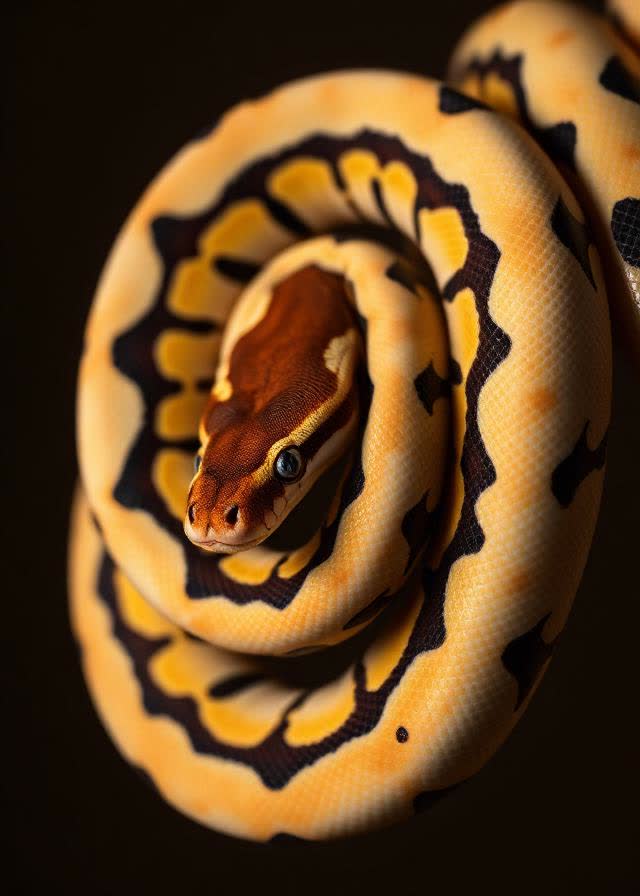
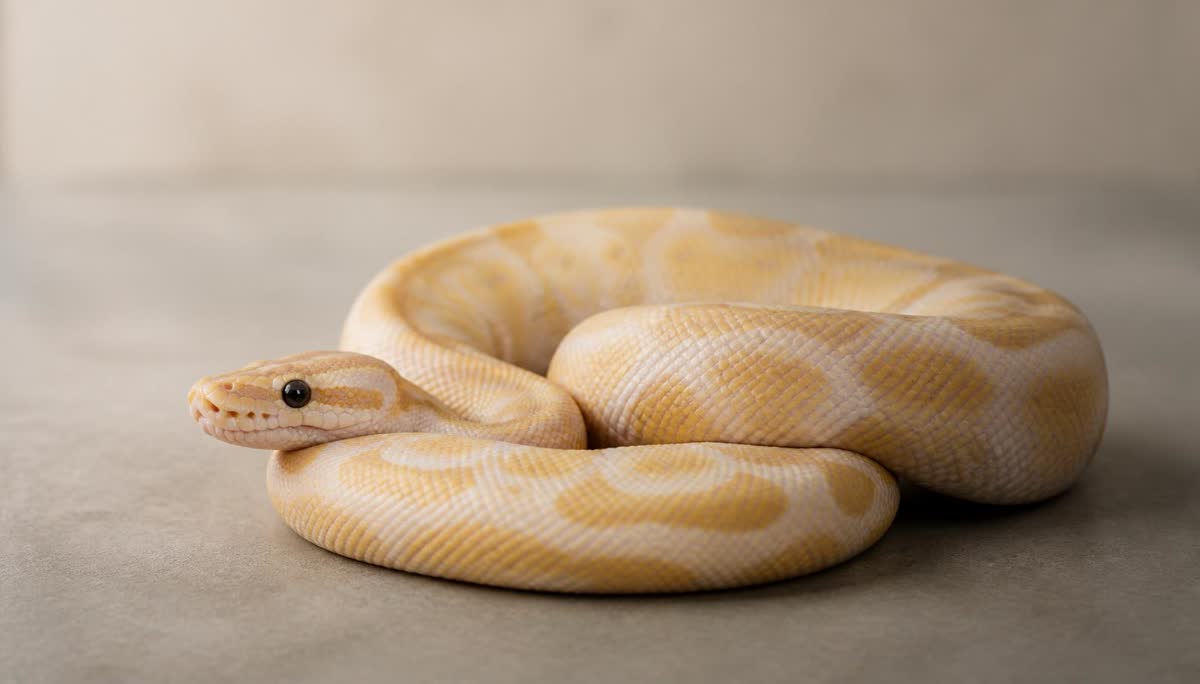
Python regius
The most popular pet snake in the world and the backbone of the morph hobby. Docile, slow-moving and long-lived, but sensitive to low humidity and open, exposed enclosures.
Quick reference
Temperature
Warm side surface 88–92°F, ambient 78–82°F, cool side 75–80°F, night dip to 72°F is fine
Humidity
55–65%, raised to 70%+ during a shed cycle
Lighting
Low-level UVB (2–5%) is beneficial, not required; keep a 12/12 day cycle
Enclosure size
Adults: 4x2x2 ft minimum, front-opening, with at least two snug hides and dense cover
Lifespan
20–30 years in captivity, with 40+ recorded
Adult size
3–5 ft (females noticeably larger than males)
Substrate
Coconut husk, cypress mulch or a soil/leaf-litter bioactive mix, 2–4 in deep
Water
Large heavy bowl the snake can soak in, changed at least twice weekly
Setup checklist
Everything that should be running and stable before the animal comes home. Print this and tick it off.
- Adult-sized enclosure: Adults: 4x2x2 ft minimum, front-opening, with at least two snug hides and dense cover
- Heat source on a thermostat — never plugged straight into the wall (Warm side surface 88–92°F, ambient 78–82°F, cool side 75–80°F, night dip to 72°F is fine)
- Digital probe thermometer for the warm side and a second for the cool side
- Digital hygrometer
- Lighting: Low-level UVB (2–5%) is beneficial, not required; keep a 12/12 day cycle
- Substrate: Coconut husk, cypress mulch or a soil/leaf-litter bioactive mix, 2–4 in deep
- At least two hides — one warm, one cool
- Water bowl, heavy enough not to tip
- Clutter: cork bark, branches, plants and leaf litter for cover
- Reptile-safe disinfectant and paper towel for spot cleaning
Supplies & shopping list
Enclosure
- •Adults: 4x2x2 ft minimum, front-opening, with at least two snug hides and dense cover
- •Secure lock or clips
- •Background or opaque sides for security
Heating
- •Warm side surface 88–92°F, ambient 78–82°F, cool side 75–80°F, night dip to 72°F is fine
- •Thermostat (dimming or pulse-proportional)
- •Digital probe thermometers
- •Infrared temp gun for surface readings
Lighting
- •Low-level UVB (2–5%) is beneficial, not required; keep a 12/12 day cycle
- •Timer for a consistent 12/12 photoperiod
Substrate
- •Coconut husk, cypress mulch or a soil/leaf-litter bioactive mix, 2–4 in deep
- •Spare bag for full changes
Decor
- •Two hides
- •Cork bark, branches or climbing structure
- •Leaf litter and plants for cover
- •Water bowl
Food & tools
- •Whole frozen/thawed rodents no wider than the snake's widest point
- •Hatchlings every 5–7 days, juveniles every 7–10, adults every 10–14
- •Feeding tongs
- •Hygrometer
- •Reptile-safe disinfectant
Diet & feeding
What they eat
Whole frozen/thawed rodents no wider than the snake's widest point
How often
Hatchlings every 5–7 days, juveniles every 7–10, adults every 10–14
Water
Large heavy bowl the snake can soak in, changed at least twice weekly
Handling
Support the whole body, 10–15 minutes a few times a week; skip handling 48 hours after a meal
Beginner mistakes to avoid
- •Treating a hunger strike as an emergency instead of checking temperatures, humidity and hide security first
- •Keeping the enclosure open and bare, which leaves the snake permanently stressed
- •Letting humidity sit below 50%, then fighting stuck sheds all year
- •Using a heat source with no thermostat
Common problems to watch for
- •Feeding strikes — usually caused by a too-warm cool side, no secure hide, or seasonal male breeding behavior
- •Stuck shed and retained eye caps from chronically low humidity
- •Scale rot from a substrate that stays wet rather than humid
- •Respiratory infection: open-mouth breathing, whistling, bubbling — see a vet
When to see a vet
Any of these warrant an appointment with an experienced exotics veterinarian, not a wait-and-see.
- •Open-mouth breathing, wheezing, whistling or bubbles at the nostrils — respiratory infection
- •Discoloured, blistered or ulcerated belly scales — scale rot or a thermal burn
- •Refusing food for months alongside visible weight loss or a sunken spine
- •Regurgitating repeatedly, or passing runny, foul-smelling stool
- •Stargazing, corkscrewing or loss of righting reflex — neurological, urgent
Myths vs facts
Snakes grow to the size of their enclosure.
Fact: They grow to their genetic size regardless. A cramped enclosure only causes stress and poor muscle tone.
Live prey is more natural and therefore better.
Fact: Frozen/thawed is safer and just as complete. Live rodents routinely injure or kill captive snakes.
Heat rocks are a good heat source.
Fact: They create hot spots that cause serious burns. Use a thermostatted mat or overhead heater instead.
Keeper tips
- •Two identical hides (one warm, one cool) stop the snake from choosing temperature over security
- •Clutter the enclosure heavily; a scared ball python is a hunger-striking ball python
- •Use a thermostat on every heat source, always
These guides describe widely accepted husbandry practice and are not veterinary advice. Consult an experienced exotics veterinarian for health concerns.